

HTLS Conductors-High-Temperature Low-Sag
What Are HTLS Conductors?
High-Temperature Low-Sag (HTLS) conductors are overhead conductors developed for projects that require increased power-transfer capability while maintaining the sag and clearance performance required by the line design. Their materials and load-sharing principles are selected to manage conductor behaviour as operating temperature rises. HTLS conductors are widely considered for transmission-line uprating and reconductoring where the existing corridor, towers or clearances limit the use of a larger conventional conductor. They may also be specified for new high-capacity lines where thermal performance, sag control and structure loading must be coordinated from the design stage. Our HTLS portfolio covers several technology routes, including steel-supported, low-expansion-core, gap-type and thermal-resistant alloy conductor designs. Available product families include ACSS, Invar-core conductors, gap-type conductors and thermal-resistant aluminium-alloy conductor systems. The appropriate HTLS family depends on the required capacity increase, sag-clearance envelope, ruling span, tower loading, corrosion environment, available fittings and installation method. Our team can compare these project conditions and identify the conductor technology that should proceed to detailed sag-tension and thermal studies.How to Select an HTLS Conductor
Different HTLS conductor technologies use different core materials, aluminium alloys and conductor structures. The table below provides a concise guide to the main technology routes. Final selection should be based on the required line capacity, sag and clearance limits, mechanical loading, route environment and installation conditions.| HTLS Type | Main Feature | Typical Use |
| ACSS / ACSS-TW | Annealed aluminium strands around a steel supporting core; ACSS-TW uses trapezoidal aluminium wires | Existing-line uprating and reconductoring where steel-supported high-temperature operation is required |
| TACIR / ZTACIR / STACIR | Thermal-resistant aluminium-alloy strands around a low-expansion Invar-type core | Clearance-critical projects where thermal elongation and high-temperature sag must be controlled |
| GTACSR / GZTACSR | Gap-type construction with thermal-resistant aluminium-alloy layers around a steel or aluminium-clad steel core | High-capacity reconductoring where the available clearance and installation method suit a gap-type conductor |
| KTACSR / TACSR | Thermal-resistant aluminium-alloy strands around a reinforced steel or aluminium-clad steel core | Uprating or new high-capacity lines requiring a reinforced thermal-resistant conductor |
| TAAAC | Thermal-resistant all-aluminium-alloy conductor without a separate steel core | Projects requiring an all-alloy thermal-resistant construction with suitable mechanical design conditions |
Applications of HTLS Conductors
HTLS conductors are primarily used where a transmission project needs more capacity from an existing or constrained overhead-line corridor. The product family should be matched to the required thermal rating, sag behaviour, mechanical loading and installation strategy.Existing-line uprating
Increase power-transfer capability where the route, towers or clearances are difficult to change, subject to complete line and structure studies.Reconductoring constrained corridors
Replace an existing conductor with an HTLS design selected around the available sag-clearance envelope and installation conditions.New high-capacity transmission lines
Coordinate conductor thermal behaviour, sag, mechanical loading, fittings and tower design from the initial engineering stage.Project-specific environmental and mechanical duties
Select core, outer-wire material, corrosion protection and hardware as a system for the route environment and loading conditions.HTLS Conductor Standards
IEC 62420 covers concentric-lay stranded overhead conductors containing one or more gaps. IEC 62641 covers aluminium and aluminium-alloy wires, including thermal-resistant alloy wire types used in overhead conductors. IEC 61089 applies to round-wire concentric-lay overhead conductors, IEC 62219 applies to formed-wire concentric-lay conductors, and IEC 63248 covers coated or cladded metallic wires used in stranded conductors and conductor cores. ASTM B856 applies to round-wire ACSS, while ASTM B857 applies to shaped-wire ACSS/TW. Project specifications should identify the applicable conductor construction, wire materials, core system, fittings, installation requirements and testing requirements.Project Support
For support with HTLS conductor selection, line uprating studies or product specifications, please contact our team with the existing-line data, target capacity and project requirements.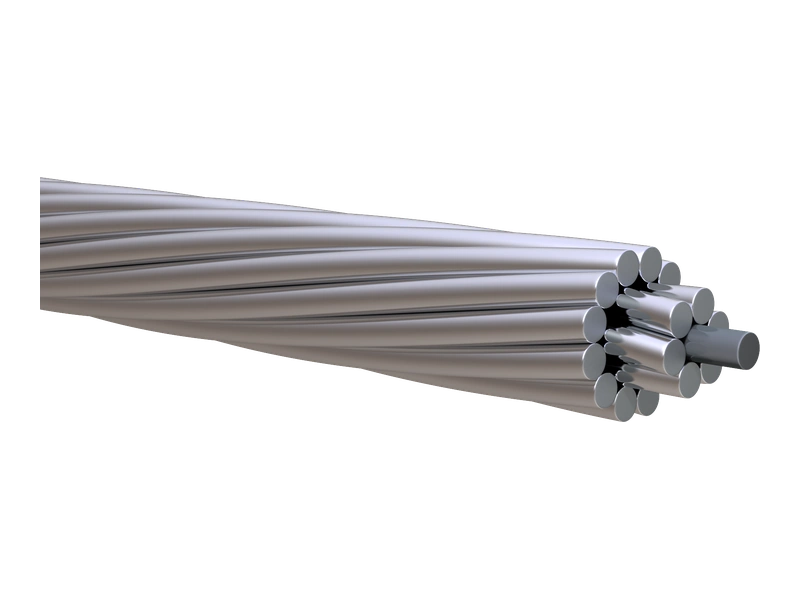
ACSS and ACSS/TW Aluminium Conductor Steel Supported
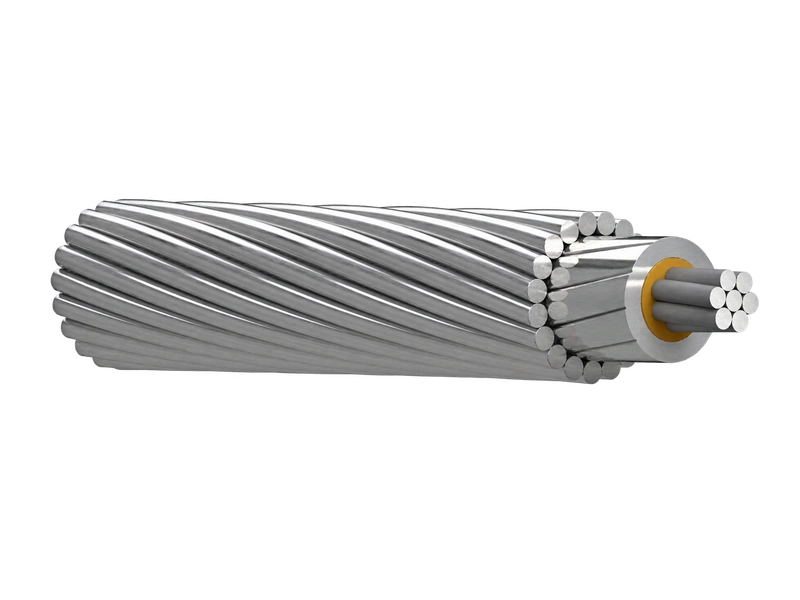
GTACSR/GZTACSR Gap-Type Thermal-Resistant Conductor
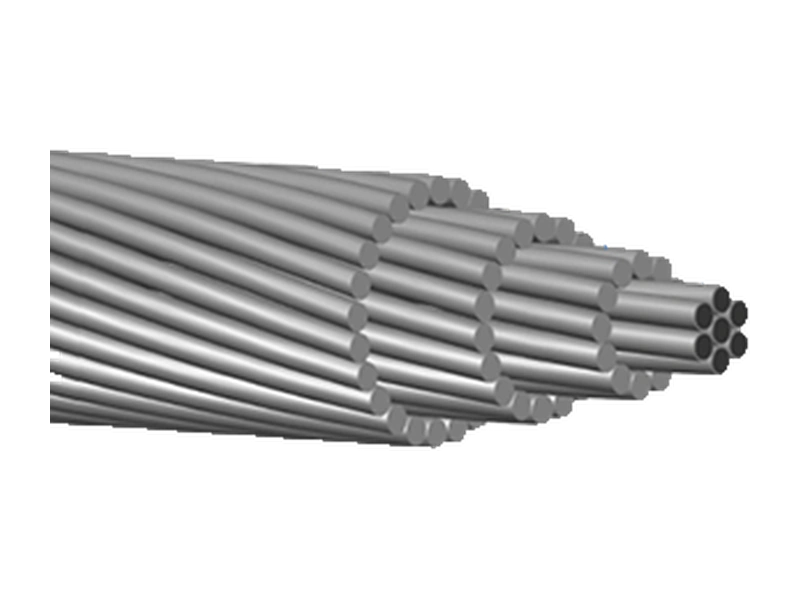
KTACSR/KTACSR-AW Thermal-Resistant Conductor
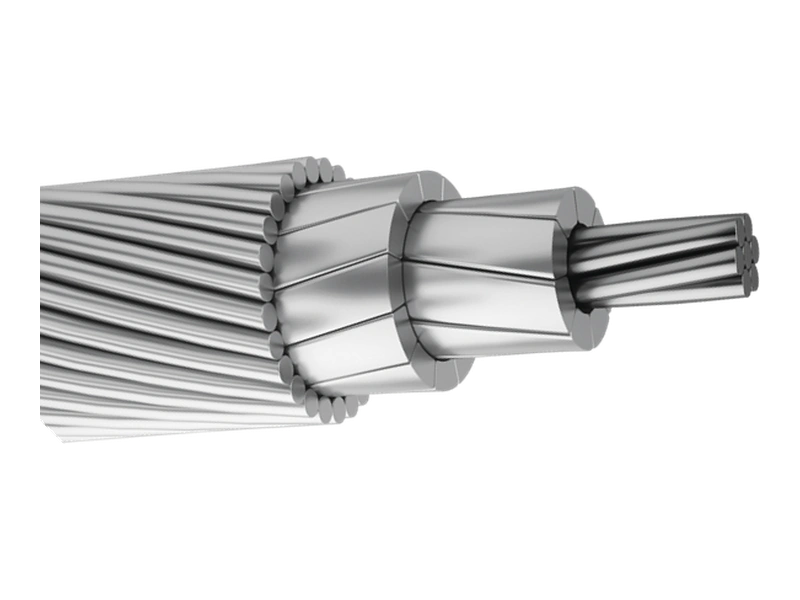
STACIR/STACIR-AW Invar-Reinforced Conductor
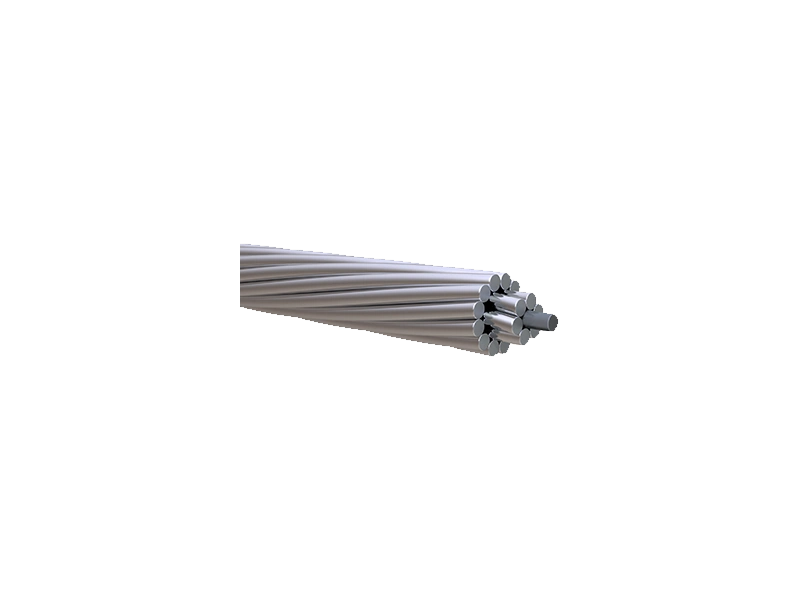
TAAAC Thermal-Resistant All-Aluminium Alloy Conductor
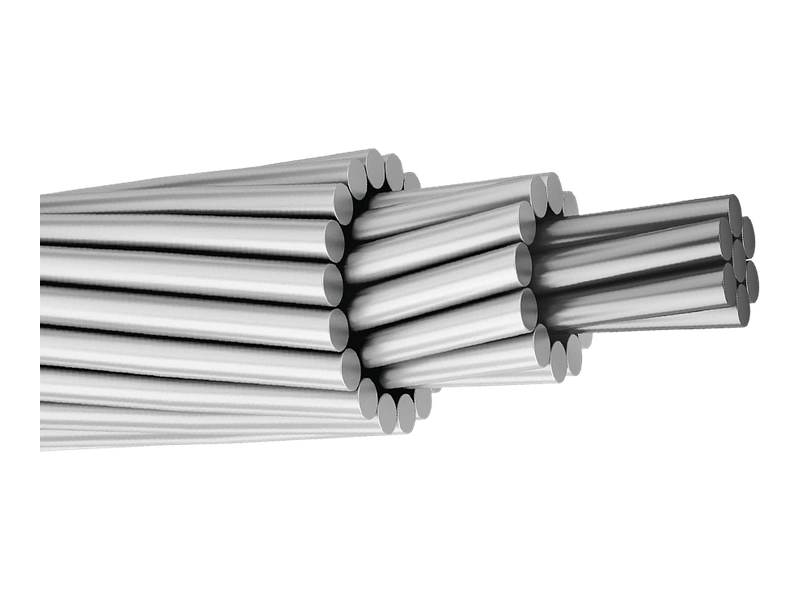
TACSR/TACSR-AW Thermal-Resistant Conductor
Contact Us
- 24-hour online service
- Own factory processing
Products by type
Send Your Cable Inquiry, Get The Latest Price List
Leave your contact details and cable requirements below. Our team will send you a suitable quotation, product specifications and delivery support as soon as possible.