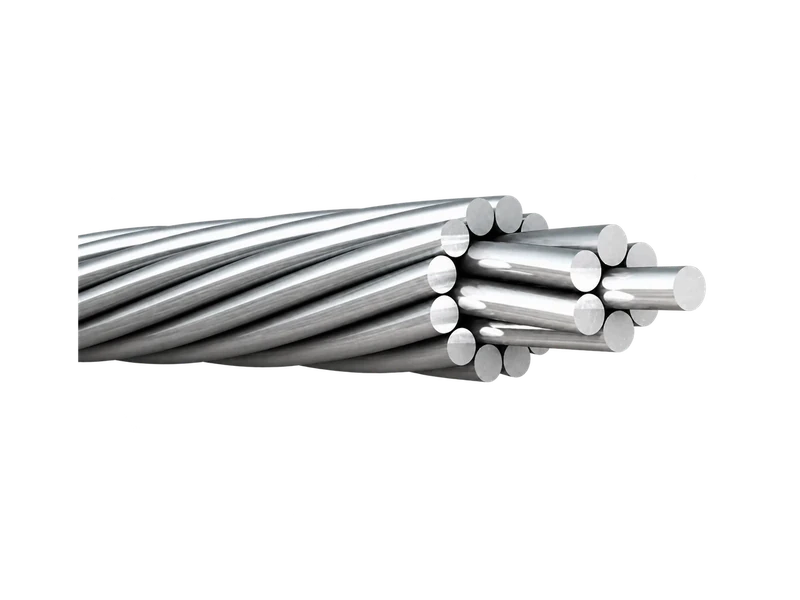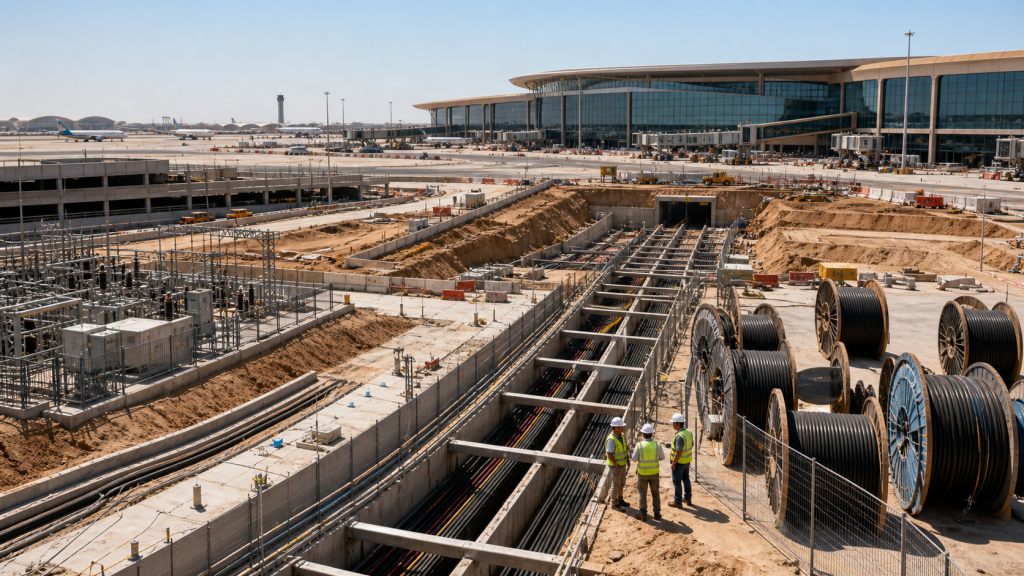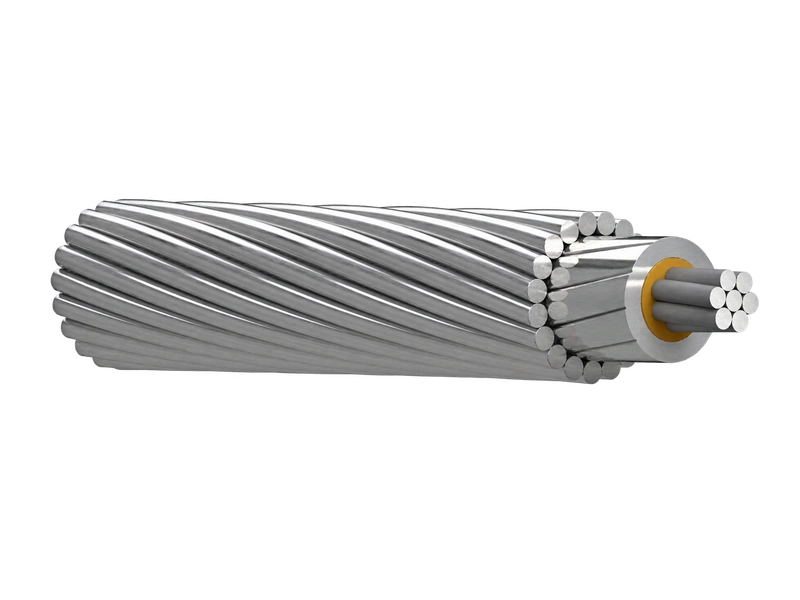
GTACSR/GZTACSR Gap-Type Thermal-Resistant Conductor
GTACSR conductor is a gap-type HTLS design in which thermal-resistant aluminium-alloy layers are separated from a high-strength core by a controlled, grease-filled gap. This construction changes how installation tension and thermal elongation are transferred to the core. Product selection must include the exact alloy, core variant and approved stringing method.
Key Advantages
- Purpose-built gap: Allows controlled movement between alloy layers and the reinforcing core.
- Core-led sag response: Load transfer supports lower high-temperature elongation under the approved design.
- Installation-controlled system: Stringing, core tensioning and clipping follow a product-specific method.
Product Overview
GTACSR/GZTACSR is defined by the annular gap around the reinforcing core, not simply by the use of thermal-resistant aluminium. High-temperature grease occupies the designed gap and supports relative movement during installation and operation. The core is tensioned and the outer layers are brought into their intended load condition through a controlled procedure.
Alloy type, core strength and surface system, gap dimensions, grease and knee-point behaviour form one conductor design. Round and shaped-wire data, where present in a source catalogue, must be identified separately. A conventional ACSR stringing plan or fitting schedule cannot be adopted without supplier and line-engineering approval.
Key Features
- Thermal-resistant aluminium-alloy layers are mechanically separated from the core by a designed gap.
- High-temperature grease is part of the gap system and must meet the approved material and application requirements.
- A high-strength core governs the post-transfer mechanical and high-temperature sag response.
- Conductor, hardware, sagging and stringing instructions must be qualified as one installation system.
Product Applications
- Existing transmission-line uprating where high-temperature sag limits capacity
- Reconductoring projects constrained by established towers and corridor clearances
- Lines where specialised gap-conductor stringing and core-tension control can be implemented
Technical Specifications
GTACSR & GZTACSR
| Conductor Size | Stranding | Cross-Sectional Area | Diameter of Complete Conductor | Weight | Rated Strength | DCResistance @20°C | ||||||||
|---|---|---|---|---|---|---|---|---|---|---|---|---|---|---|
| No. of Wires | Wire diameter | TAL | Steel | Total | TAL | Steel | Total with Grease | Extra High Strength | Ultra High Strength | |||||
| TAL | Steel | TAL | Steel | |||||||||||
| (mm²) | (No.) | (No.) | (mm) | (mm) | (mm²) | (mm²) | (mm²) | (mm) | (Kg/Km) | (Kg/Km) | (Kg/Km) | (KN) | (KN) | (Ω/Km) |
| 175 | 8/12 | 7 | 3.35 (TW) | 2.10 | 176.20 | 24.25 | 200.45 | 17.50 | 486.98 | 189.44 | 691.42 | 66.14 | 66.87 | 0.1668 |
| 190 | 12/16 | 7 | 2.92 (TW) | 2.30 | 187.30 | 29.08 | 216.38 | 18.20 | 517.66 | 227.24 | 761.90 | 74.44 | 75.46 | 0.1569 |
| 195 | 20/12 | 7 | 2.40(R) 2.88(TW) | 2.20 | 168.80 | 26.61 | 195.41 | 18.06 | 466.53 | 207.91 | 690.44 | 69.51 | 70.31 | 0.1741 |
| 218 | 18/12 | 7 | 2.78(R) 2.94(TW) | 2.25 | 190.50 | 27.83 | 218.33 | 19.10 | 526.51 | 217.47 | 759.98 | 74.47 | 75.31 | 0.1542 |
| 240 | 8/12 | 7 | 4.02 (TW) | 2.40 | 253.40 | 31.67 | 285.07 | 20.60 | 700.35 | 247.43 | 964.78 | 88.34 | 89.45 | 0.1159 |
| 248 | 12/8 | 7 | 3.71(TW) | 2.40 | 216.12 | 31.67 | 247.79 | 19.40 | 597.32 | 247.43 | 862.75 | 83.00 | 84.11 | 0.1360 |
| 287 | 18/12 | 7 | 3.15(R) 3.43(TW) | 2.55 | 251.00 | 35.75 | 286.75 | 21.77 | 693.72 | 279.33 | 993.04 | 94.85 | 96.10 | 0.1171 |
| 287 | 20/12 | 7 | 2.90(R) 3.55(TW) | 2.55 | 251.00 | 35.75 | 286.75 | 21.77 | 693.72 | 279.33 | 993.04 | 95.33 | 96.58 | 0.1171 |
| 310 | 16/12 | 7 | 3.90(R) 3.69(TW) | 2.80 | 319.40 | 43.10 | 362.50 | 24.40 | 882.76 | 336.78 | 1241.54 | 116.10 | 117.60 | 0.0920 |
| 400 | 18/12 | 7 | 3.90(R) 4.45(TW) | 2.80 | 401.40 | 43.10 | 444.50 | 26.90 | 1109.40 | 336.78 | 1468.18 | 129.16 | 130.67 | 0.0732 |
| 410 | 14/12 | 7 | 4.90(R) 3.99(TW) | 3.00 | 414.00 | 49.48 | 463.48 | 27.60 | 1144.22 | 386.61 | 1554.83 | 138.95 | 140.68 | 0.0710 |
| 439 | 15/12 | 7 | 4.50(R) 4.04(TW) | 2.90 | 392.50 | 46.24 | 438.74 | 26.84 | 1084.80 | 361.27 | 1469.07 | 132.44 | 134.06 | 0.0749 |
| 462 | 14/12 | 7 | 4.90(R) 3.99(TW) | 2.95 | 414.30 | 47.84 | 462.14 | 27.60 | 1145.05 | 373.83 | 1542.88 | 136.47 | 138.14 | 0.0709 |
| 540 | 24/14/10 | 7 | 3.55(R) 3.98(TW) | 3.10 | 536.20 | 52.83 | 589.03 | 31.30 | 1483.12 | 412.81 | 1920.93 | 164.15 | 166.00 | 0.0548 |
| 620 | 16/12/12 | 7 | 4.80(TW) 4.75(TW) 3.47(TW) | 3.20 | 615.70 | 56.30 | 672.00 | 31.50 | 1703.01 | 439.88 | 2168.89 | 177.96 | 179.93 | 0.0478 |
GTACSR/AW & GZTACSR/AW
| Conductor Size | Cross-Sectional Area | Stranding | Diameter of Complete Conductor | Weight | Rated Strength | DC Resistance @20°C | ||||||||
|---|---|---|---|---|---|---|---|---|---|---|---|---|---|---|
| STAL | Steel | Total | No. of STAL Wires | No. of STAL Layers | No. of Steel Wires | Dia. of Steel Wires | STAL | Steel | Total | High Strength | Extra High Strength | |||
| (mm²) | (mm²) | (mm²) | (mm²) | (No.) | (No.) | (No.) | (mm) | (mm) | (Kg/Km) | (Kg/Km) | (Kg/Km) | (KN) | (KN) | (Ω/Km) |
| 175 | 8/12 | 7 | 3.35 (TW) | 2.10 | 176.20 | 24.25 | 200.45 | 17.50 | 486.98 | 160.46 | 647.44 | 57.65 | 62.26 | 0.1593 |
| 190 | 12/16 | 7 | 2.92 (TW) | 2.30 | 187.30 | 29.08 | 216.38 | 18.20 | 517.66 | 192.48 | 710.14 | 65.28 | 69.93 | 0.1490 |
| 195 | 20/12 | 7 | 2.40(R) 2.88(TW) | 2.20 | 168.80 | 26.61 | 195.41 | 18.06 | 466.53 | 176.11 | 642.64 | 60.20 | 65.25 | 0.1652 |
| 218 | 18/12 | 7 | 2.78(R) 2.94(TW) | 2.25 | 190.50 | 27.83 | 218.33 | 19.10 | 526.51 | 184.21 | 710.72 | 64.73 | 70.02 | 0.1470 |
| 240 | 8/12 | 7 | 4.02 (TW) | 2.40 | 253.40 | 31.67 | 285.07 | 20.60 | 700.35 | 209.59 | 909.94 | 78.36 | 83.43 | 0.1112 |
| 248 | 12/8 | 7 | 3.71(TW) | 2.40 | 216.12 | 31.67 | 247.79 | 19.40 | 597.32 | 209.59 | 806.91 | 73.03 | 78.09 | 0.1295 |
| 287 | 18/12 | 7 | 3.15(R) 3.43(TW) | 2.55 | 251.00 | 35.75 | 286.75 | 21.77 | 693.72 | 236.60 | 930.32 | 83.59 | 89.31 | 0.1117 |
| 287 | 20/12 | 7 | 2.90(R) 3.55(TW) | 2.55 | 251.00 | 35.75 | 286.75 | 21.77 | 693.72 | 26.60 | 720.32 | 84.07 | 89.79 | 0.1117 |
| 310 | 16/12 | 7 | 3.90(R) 3.69(TW) | 2.80 | 319.40 | 43.10 | 362.50 | 24.40 | 882.76 | 285.27 | 1168.03 | 102.52 | 109.41 | 0.0880 |
| 400 | 18/12 | 7 | 3.90(R) 4.45(TW) | 2.80 | 401.40 | 43.10 | 444.50 | 26.90 | 1109.40 | 285.27 | 1394.67 | 115.59 | 122.48 | 0.0706 |
| 410 | 14/12 | 7 | 4.90(R) 3.99(TW) | 3.00 | 414.00 | 49.48 | 463.48 | 27.60 | 1144.22 | 327.48 | 1471.70 | 123.36 | 131.28 | 0.0682 |
| 439 | 15/12 | 7 | 4.50(R) 4.04(TW) | 2.90 | 392.50 | 46.24 | 438.74 | 26.84 | 1084.80 | 306.00 | 1390.80 | 117.87 | 125.27 | 0.0720 |
| 462 | 14/12 | 7 | 4.90(R) 3.99(TW) | 2.95 | 414.30 | 47.84 | 462.14 | 27.60 | 1145.05 | 316.65 | 1461.70 | 121.40 | 129.05 | 0.0682 |
| 540 | 24/14/10 | 7 | 3.55(R) 3.98(TW) | 3.10 | 536.20 | 52.83 | 589.03 | 31.30 | 1483.12 | 349.67 | 1832.79 | 149.36 | 156.23 | 0.0536 |
| 620 | 16/12/12 | 7 | 4.80(TW) 4.75(TW) 3.47(TW) | 3.20 | 615.70 | 56.30 | 672.00 | 31.50 | 1703.01 | 372.60 | 2075.61 | 162.19 | 169.51 | 0.0467 |
Request the Complete Data Sheet
From Production to Delivery
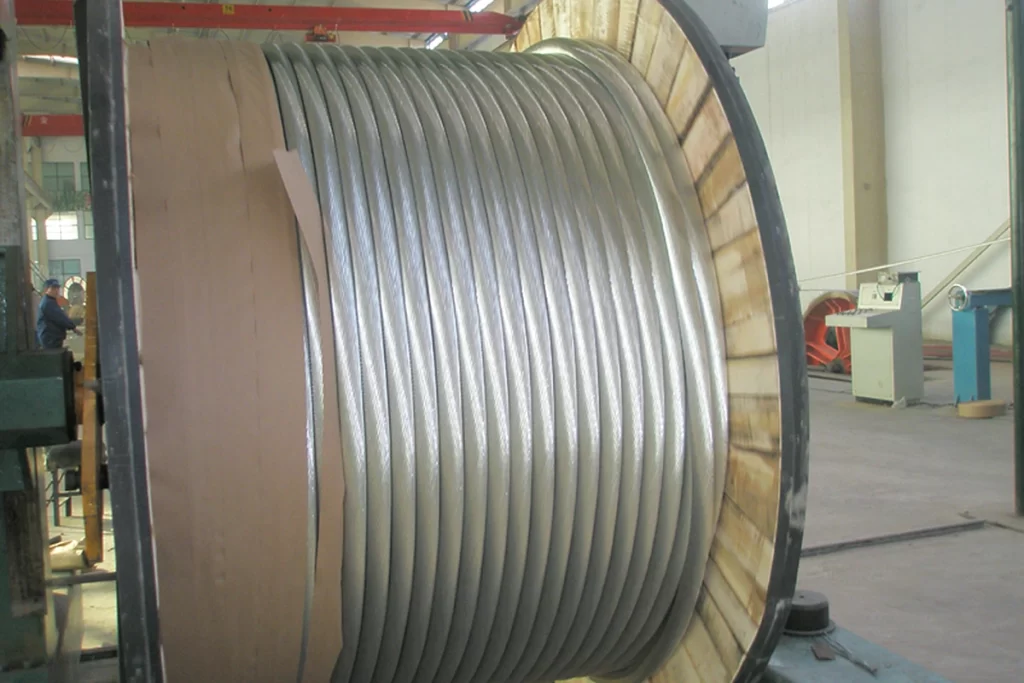
From raw material preparation to final shipmen, every stage is caretuly controled to ensure consistent conductor quality, reliable pertormance,and sae delivery. Our roduction, inspection, packaging, and logistics processes are managed in accordance with applicable standards and project requirements.
Production
The selected high-strength core is prepared, the designed gap is formed and filled with the specified high-temperature grease, and thermal-resistant alloy layers are stranded around the gap system.

Inspection
Inspection verifies alloy type, core construction, gap dimensions, grease application, finished geometry and the exact catalogue construction values.
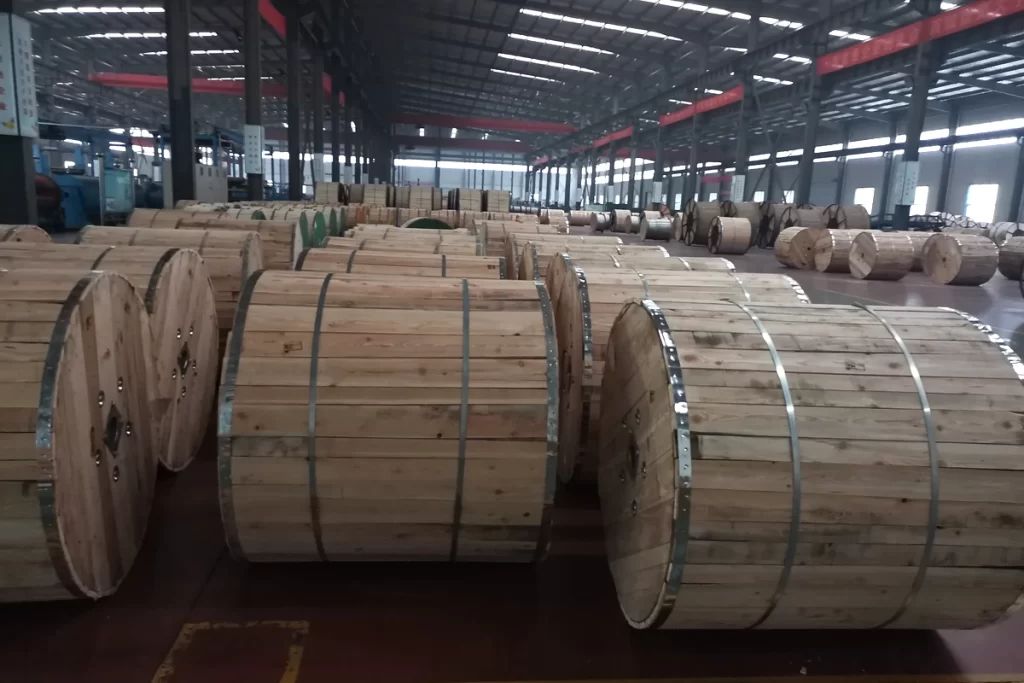
Packaging
Drum winding and protection must preserve the gap system and prevent core movement, grease loss or deformation before stringing.
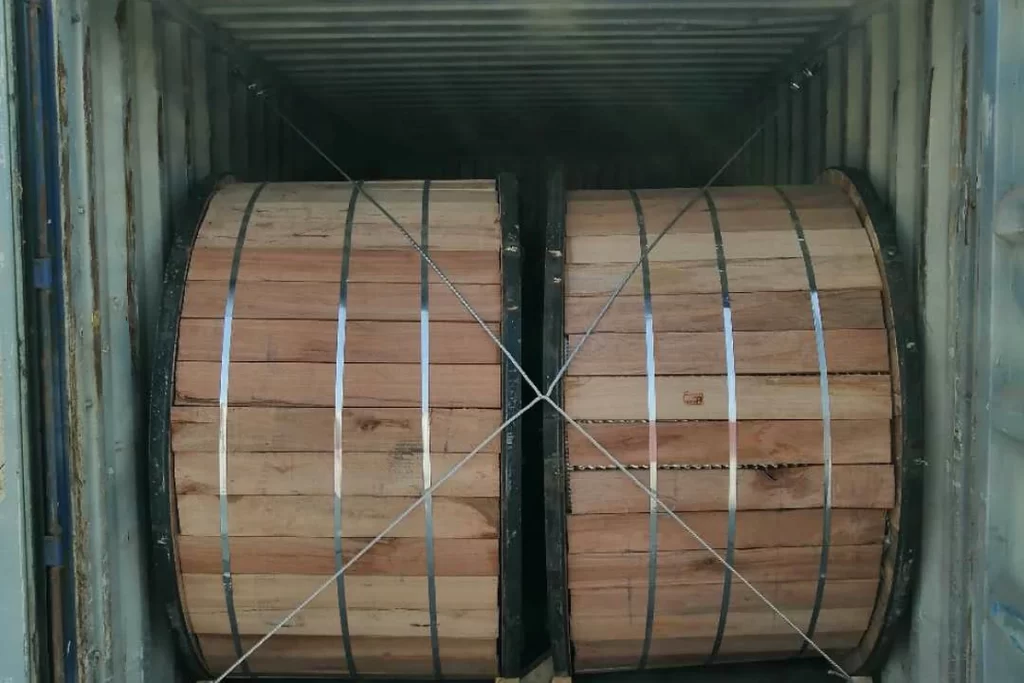
Shipping
Shipment includes the exact GTACSR/GZTACSR variant, core option, handling limits and approved stringing/load-transfer instructions.
Frequently Asked Questions
Why is a grease-filled gap used in GTACSR?
The gap permits controlled relative movement between the aluminium-alloy layers and core. Approved high-temperature grease lubricates and protects this interface; its type, quantity and placement are part of the conductor design.
What installation step makes a gap-type conductor different from ACSR?
The core and outer layers must be brought into the specified load relationship using the approved stringing, core-tensioning, clipping and sagging procedure. Ordinary ACSR installation assumptions are insufficient.
How is the knee point used in a GTACSR sag study?
It represents the transition in load sharing as temperature and tension change. Its value is construction- and installation-dependent and must come from the approved sag-tension model rather than a generic HTLS assumption.
Can GTACSR be installed during a short outage window?
Possibly, but only after a detailed method and programme are reviewed. Drum positions, puller-tensioner layout, sheaves, core handling, jointing, sagging sequence, crew training and contingency time must be planned.
Which core variant should be stated for GTACSR or GZTACSR?
Use the exact catalogue designation and identify whether the core is conventionally coated or aluminium clad, together with its strength grade and stranding. Do not infer the core only from the family name.
What documents should accompany a gap-type conductor supply?
In addition to the approved data sheet and tests, request the sag-tension model, installation manual, jointing and core-tensioning instructions, hardware schedule, drum plan and site technical-support scope.
Request for Free Consultation
Contact Information
Send us your cable requirements and our team will respond quickly with product recommendations, technical support and quotation details.