TAAAC Thermal-Resistant All-Aluminium Alloy Conductor

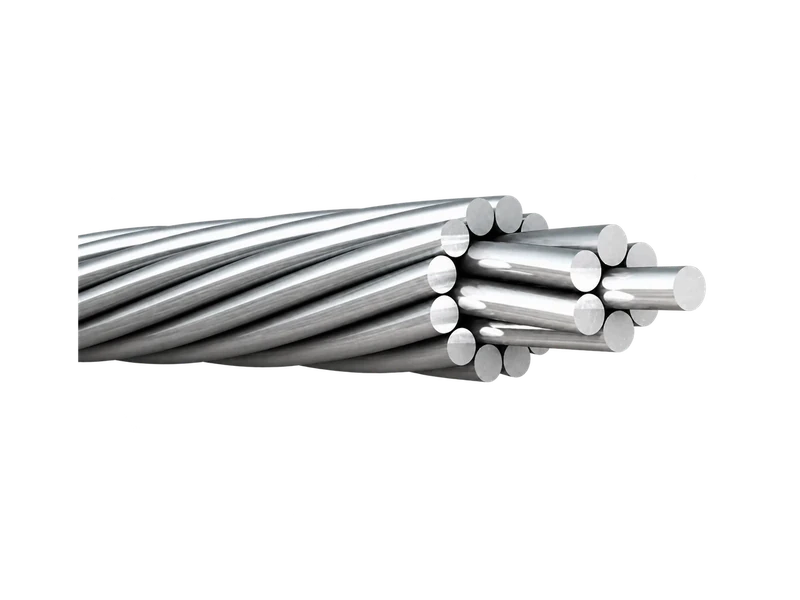
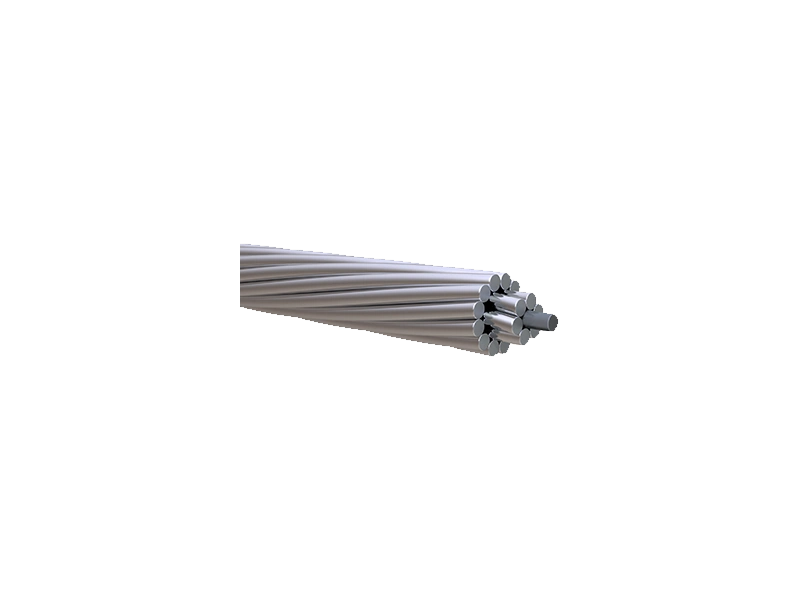
TAAAC conductor is built entirely from thermal-resistant aluminium-alloy wires and contains no steel or Invar reinforcing core. Its purpose is to provide an all-alloy current-carrying section for approved higher-temperature duty while retaining the mechanical logic of a homogeneous conductor. Span, tension and clearance limits must be checked from the exact construction.

Key Advantages

  • All-alloy thermal construction: Every strand uses thermal-resistant aluminium alloy.
  • No separate steel core: Mechanical strength comes from the alloy section itself.
  • Clear material system: Suitable where an all-aluminium-based conductor is required.

Product Overview

TAAAC changes the wire material used in an all-alloy conductor rather than adding a separate high-strength core. The full cross-section contributes to both current transfer and mechanical behaviour. It is therefore structurally different from TACSR, STACIR and gap-type HTLS products, even when all are considered for higher-temperature service.

Because there is no steel-supported or low-expansion core, the project must verify that the alloy construction can meet tensile load, sag, creep, wind and ice duty as well as thermal requirements. Catalogue temperature statements must be used only with their stated conditions and an approved line rating and clearance study.

Key Features

  • Homogeneous thermal-resistant aluminium-alloy strands form the complete conductor cross-section.
  • Mechanical strength is provided by the alloy wires rather than a steel or Invar core.
  • The all-alloy arrangement avoids a ferrous reinforcing core but still requires environmental and hardware assessment.
  • Thermal capability, strength, resistance and sag must be taken from the exact approved construction and operating assumptions.

Product Applications

  • Overhead capacity upgrades where an all-alloy thermal conductor is technically suitable
  • Substation, plant or network connections within verified span and loading limits
  • Lines comparing TAAAC with reinforced thermal conductors for a defined corridor

Technical Specifications

TAAAC JEC 3406-95

TAAAC JEC 3406-95

Nominal Cross section areaStructure [number x diameter of wire]Calculation area cross cestionApprox. Diameter of conductorMin.breaking strengthDC Resistance of conductor at 20℃Approx Mass of conductorCurrent Carrying capacity
mm²nmmmm²mmkNΩ/kmKg/kmA
120192.80117.014.0017.50.2493320.1566
150193.15148.115.7522.20.1970405.1659
200193.65198.818.2529.20.1467543.9798
240194.00238.820.0034.20.1220654.5897
300373.20297.622.4044.50.0986816.01036
400373.70397.825.9058.00.07371097.01258
510374.20512.629.4073.30.05711413.01491
660613.70655.933.3095.60.04481812.01753
850614.20845.137.80120.90.03422334.02073
980613.70978.440.70142.70.03022714.02272
1030913.801032.141.80150.50.02862864.02353
1260914.201260.846.20180.30.02343499.02672
16001274.001595.952.00228.50.01864440.03083
20201274.502019.558.50289.00.01475616.03540
25001275.002493.765.00357.00.01186937.03988
TAAAC JEC 197

TAAAC JEC 197

Cross Sectional areaNa/Dia of wireApproximatelyDC conduvtor Resistance at 20℃,maxCalcuated breaking load minCurrent Carrying capacityStandard Delivery lenght
Overall diameterNet weight
mm²Pcs/mmmmKg/kmΩ/kmkgfnAm
15019/3.20164190.19102270222687005000
20019/3.7018.55600.14303030297248505000
24019/4.00206550.12203490342369453000
30037/3.2022.48210.095844304345810903000
40037/3.7025.910970.073758905778013252000
51037/4.2029.414140.057174607318215652000
66061/3.7033.318120.044897209535318401500
85061/4.2037.823350.03471230012066321751000
98091/3.7040.727160.03021450014224523801000
103091/3.8041.828650.02861532015028924651000
126091/4.2046.235010.0234183501800132800500

Request the Complete Data Sheet

If you need a specific product catalogue or related standard file, please contact us.

From Production to Delivery

From raw material preparation to final shipmen, every stage is caretuly controled to ensure consistent conductor quality, reliable pertormance,and sae delivery. Our roduction,
inspection, packaging, and logistics processes are managed in accordance with applicable standards and project requirements.

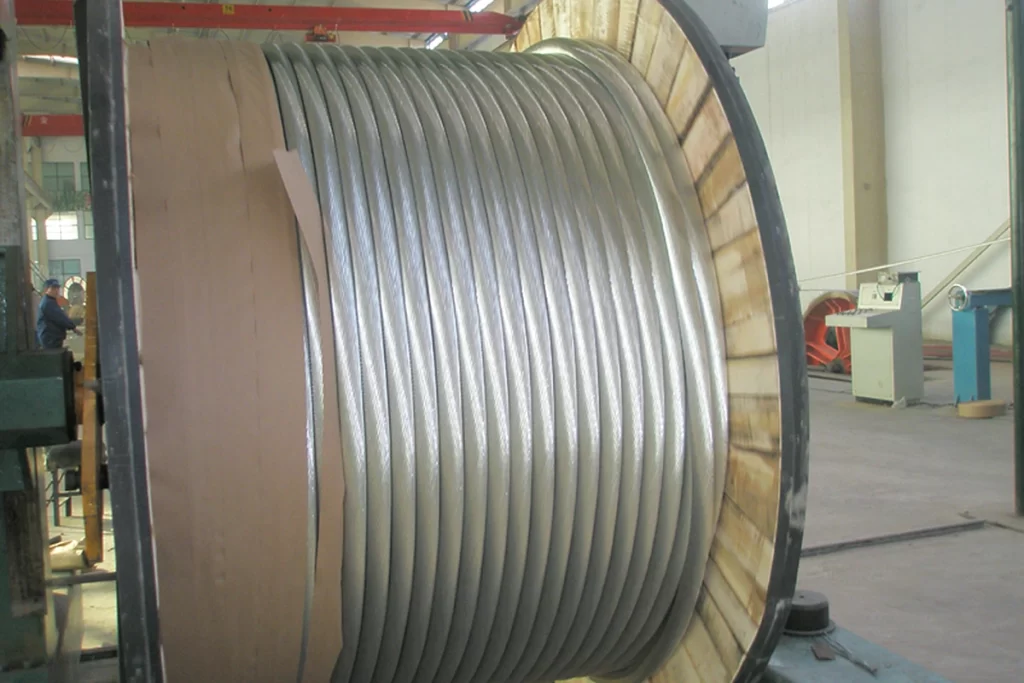
Overhead conductor being wound onto a cable drum during production

Production

Thermal-resistant aluminium-alloy rod is drawn to the specified wire diameter and condition, then all wires are concentrically stranded without a separate core.

Cable and conductor quality inspection and testing

Inspection

Inspection verifies alloy-wire condition, strand count, wire diameter, finished area and diameter, minimum breaking strength and catalogue construction values.

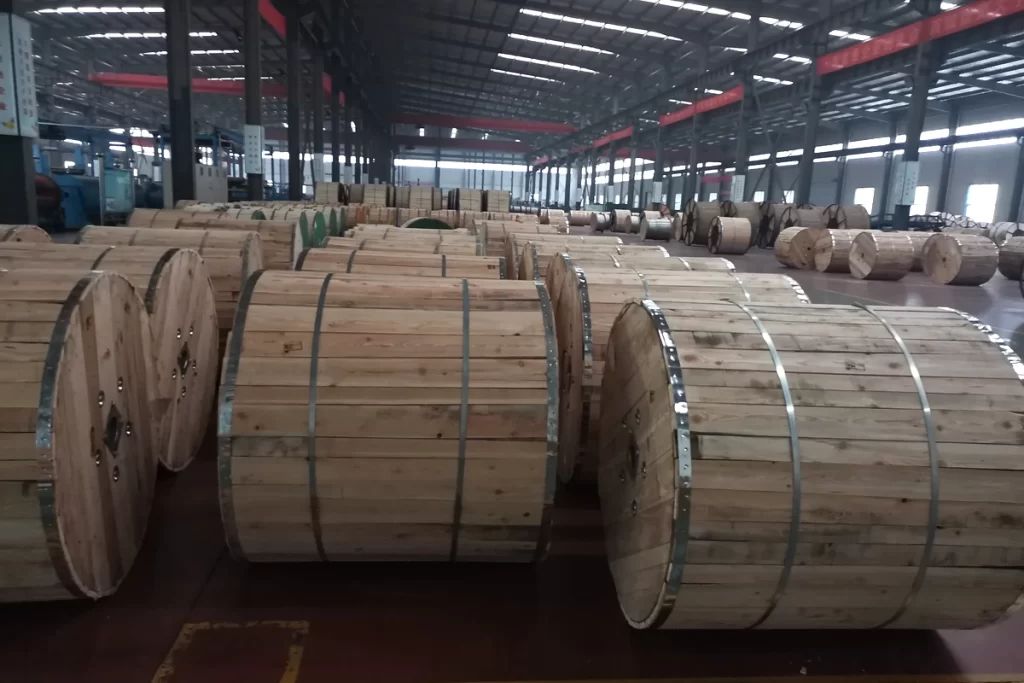
Packaged cable drums stored in the factory warehouse

Packaging

The all-alloy conductor is wound with controlled tension to avoid surface damage, strand distortion and local bending that could affect installation.

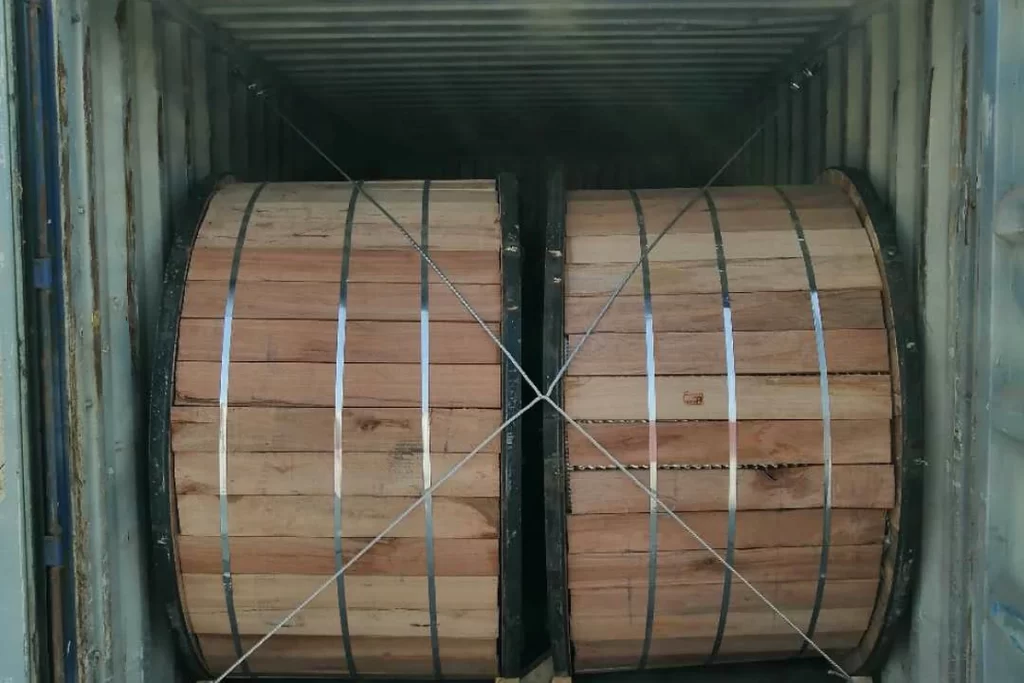
Wooden cable drums secured inside a shipping container

Shipping

Drum identification records TAAAC size, catalogue reference, ordered length and inspection documents before export shipment.

Frequently Asked Questions

Where does TAAAC obtain mechanical strength without a steel core?

Its thermal-resistant aluminium-alloy wires provide the conductor’s mechanical strength as well as the current-carrying area. The approved alloy, strand construction and total area determine the available rating.

Compare the specified wire material, thermal qualification, strength, resistance, creep and allowable operating conditions. TAAAC is selected for thermal-resistant alloy behaviour, not merely because both products have no steel core.

It has no steel-supported, gap or low-expansion core to dominate high-temperature elongation. Sag performance must be calculated from the all-alloy conductor data, tension, spans, creep and temperature range.

Only if the fitting supplier approves them for the exact TAAAC diameter, alloy, strength, operating temperature and strand design. Temperature and compression requirements may differ from ordinary AAAC.

Key limits include tensile and structure loads, high-temperature sag and clearance, current rating assumptions, vibration, existing hardware, stringing tension, drum handling and outage conditions.

State the governing standard and edition, conductor construction, required normal and emergency conditions, rating assumptions, mechanical loads, tests, fittings, quantity and drum length.

Request for Free Consultation

Contact Information

Send us your cable requirements and our team will respond quickly with product recommendations, technical support and quotation details.

Explore More

Related Products
BS 7629-1 SR Insulated Fire Resistant Control Cable 300/500V
BS 7629-1 Fire Resistant Screened Control Cable 300/500V
BS 5839-9 Emergency Voice Communication Fire Resistant Screened Cable
Compatible Hardware
BS 7629-1 SR Insulated Fire Resistant Control Cable 300/500V
BS 7629-1 Fire Resistant Screened Control Cable 300/500V
BS 5839-9 Emergency Voice Communication Fire Resistant Screened Cable
Knowledge Articles
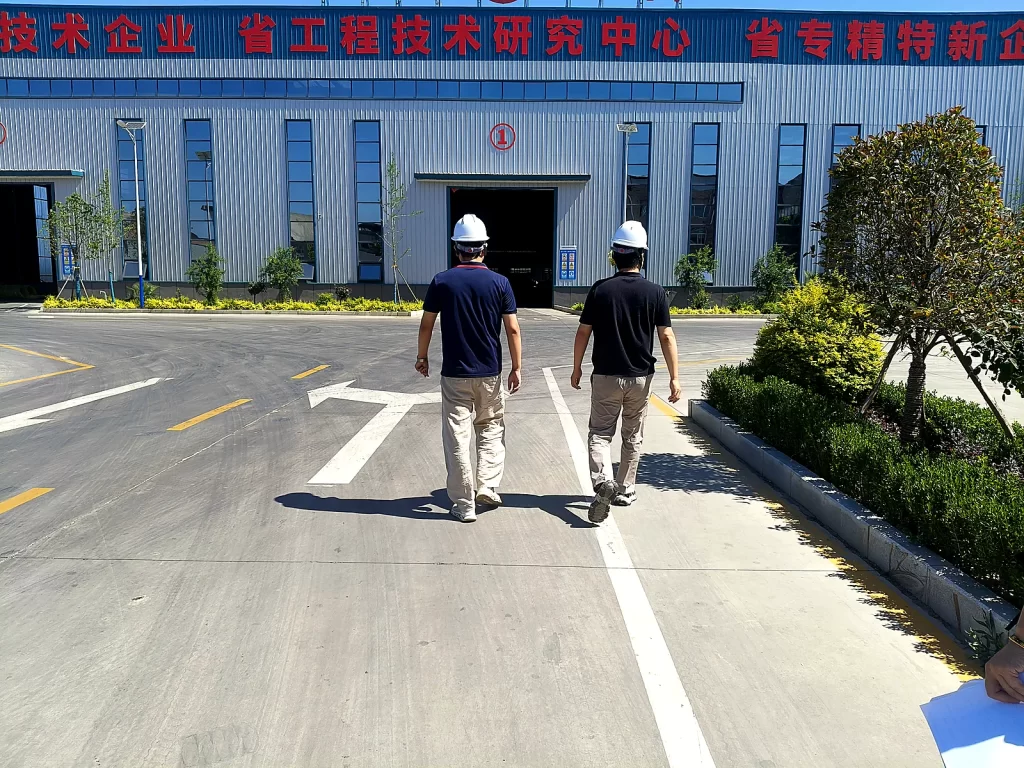
Customer Visits Our Factory for Product Inspection and Quality Verification
AAAC all aluminium alloy conductor stranded wire
AAAC Conductor Selection Guide: How to Choose the Right AAAC for Overhead Lines
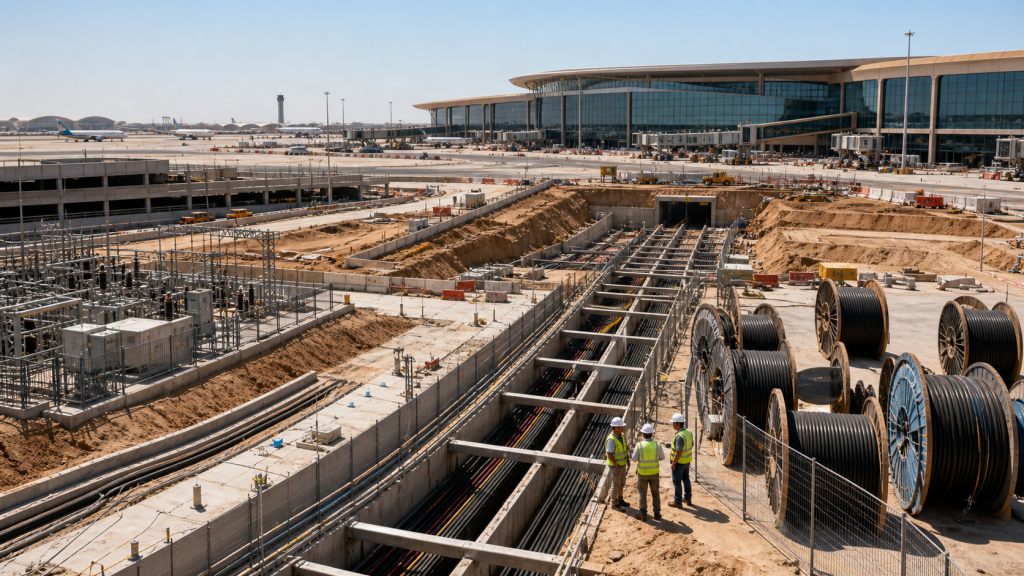
International Airport Expansion Project in Saudi Arabia

For Immediate Assistance, Please Contact us Now!