Socket Clevises
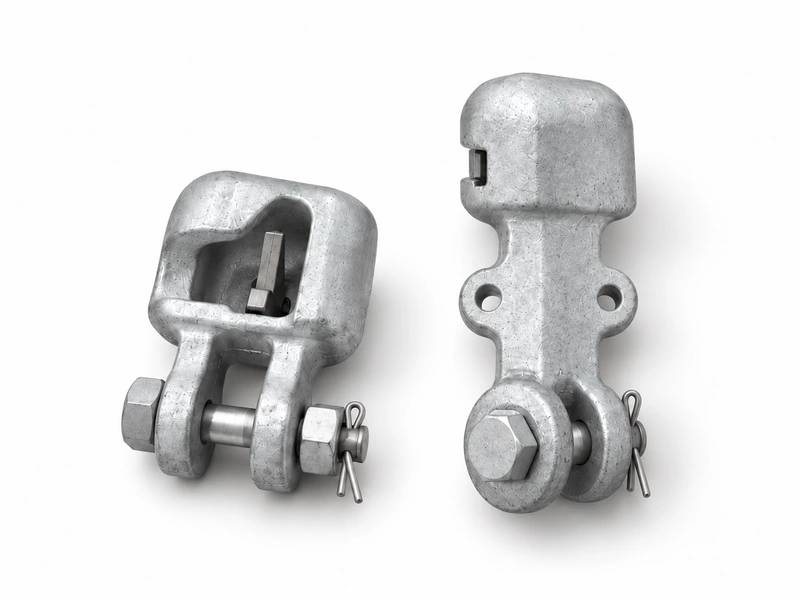
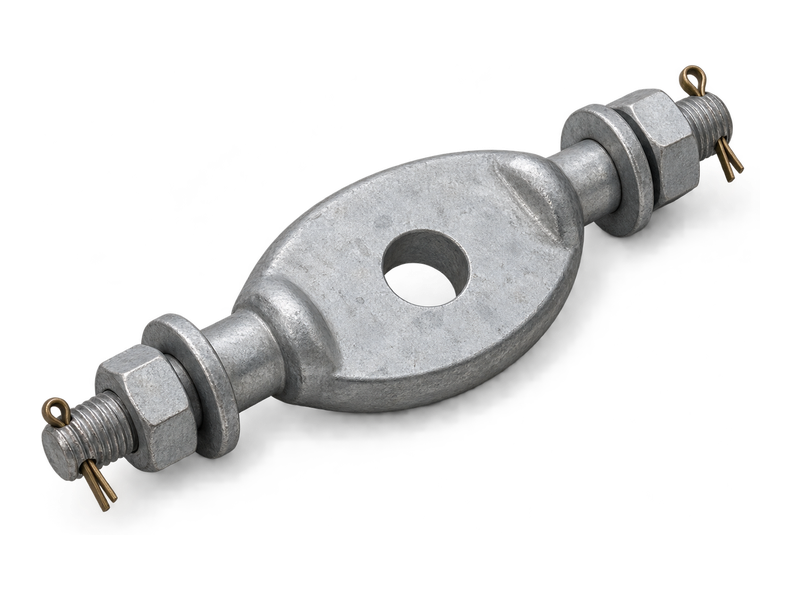
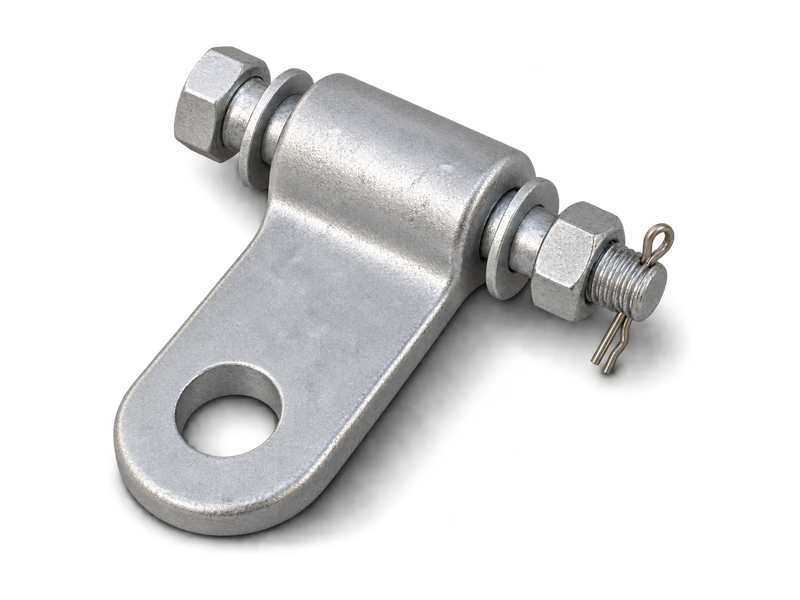
Socket clevises connect the ball end of an insulator to a tongue, eye or plate using a fork-and-pin joint. The socket and its locking device retain the insulator ball, while the transverse clevis pin secures the adjoining hardware. This combination provides a direct transition between an insulator coupling and plate or link connections in overhead line assemblies. Socket clevis fittings are selected by the socket designation, fork opening, pin dimensions and mechanical rating. WS models provide the basic fork-ended arrangement, with extended forms serving layouts that require different connection geometry.
Product Overview
The socket and clevis provide two different joints within one fitting. The ball-locking device serves the insulator connection, while the clevis pin and its retainer serve the hardware connection. Their relative positions determine connection length and access during assembly.
A WS socket clevis combines a specified ball coupling with a defined fork opening. Choosing a socket clevis for a ball-ended insulator involves matching the plate thickness and pin geometry as well as the socket interface. Extended variants should be selected from their individual drawings where different connection layouts or accessory features are required.
Key Features
- Socket-to-fork transition: Combines a ball-receiving socket and a clevis in one body.
- Separate retaining parts: The socket lock and clevis-pin retainer serve different joints.
- Plate connection: The fork accommodates a mating tongue, eye or plate.
- WS and extended forms: Different connection lengths and layouts suit different assembly geometries.
Product Applications
- Insulator-string link connections: joins ball-ended insulators to tongue or eye links within overhead line hardware assemblies.
- Yoke-plate connections: couples an insulator to a compatible plate attachment through the transverse clevis pin.
Technical Specifications
WSJ Socket Clevis
| Stable design | Main Dimensions(mm) | Designated | Specified | Weight | |||||
|---|---|---|---|---|---|---|---|---|---|
| Catalog No. | size of | Failure Load | (kg) | ||||||
| C | M | Ø | H | H1 | S | coupling | (kN) | ||
| WSJ-07145 | 20 | 16 | 13 | 145 | 65 | 45 | 16 | 70 | 1.9 |
| WSJ-10145 | 20 | 18 | 13 | 145 | 65 | 45 | 16 | 100 | 2 |
| WSJ-12160 | 20 | 22 | 13 | 160 | 70 | 45 | 16 | 120 | 2.2 |
WS Socket Clevis
| Stable design | Catalog No. | Main Dimensions(mm) | Designated | Specified | Weight | ||||
|---|---|---|---|---|---|---|---|---|---|
| Catalog No. | size of | Failure Load | (kg) | ||||||
| coupling | |||||||||
| C | H | M | A | B | (kN) | ||||
| WS-7 | 18 | 70 | 16 | 34.5 | 19.2 | 16 | 70 | 0.97 | |
| WS-10 | 20 | 85 | 18 | 34.5 | 19.2 | 16 | 100 | 1.7 | |
| WS-12 | 24 | 85 | 22 | 34.5 | 19.2 | 16 | 120 | 3.81 | |
| WS-16 | 26 | 95 | 24 | 42.5 | 23 | 20 | 160 | 2.6 | |
| WS-21 | 30 | 100 | 27 | 51 | 27.5 | 24 | 210 | 4.3 | |
| WS-20D | 30 | 100 | 27 | 42.5 | 23 | 20 | 200 | 4.3 | |
| WS-30 | 36 | 110 | 36 | 51 | 27.5 | 24 | 320 | 5.7 | |
| WS-0770 | 20 | 70 | 16 | 34.5 | 19.2 | 16 | 70 | 0.97 | |
| WS-1085 | 20 | 85 | 18 | 34.5 | 19.2 | 16 | 100 | 1.7 | |
| WS-1290 | 20 | 90 | 22 | 34.5 | 19.2 | 16 | 120 | 1.7 | |
| WS-1695 | 22 | 95 | 24 | 42.5 | 23 | 20 | 160 | 2.6 | |
| WS-21100 | 24 | 100 | 24 | 42.5 | 23 | 20 | 210 | 3.8 | |
| WS-25100 | 28 | 100 | 27 | 51 | 27.5 | 24 | 250 | 4.3 | |
| WS-32110 | 32 | 110 | 30 | 51 | 27.5 | 24 | 320 | 5.7 | |
Request the Complete Data Sheet
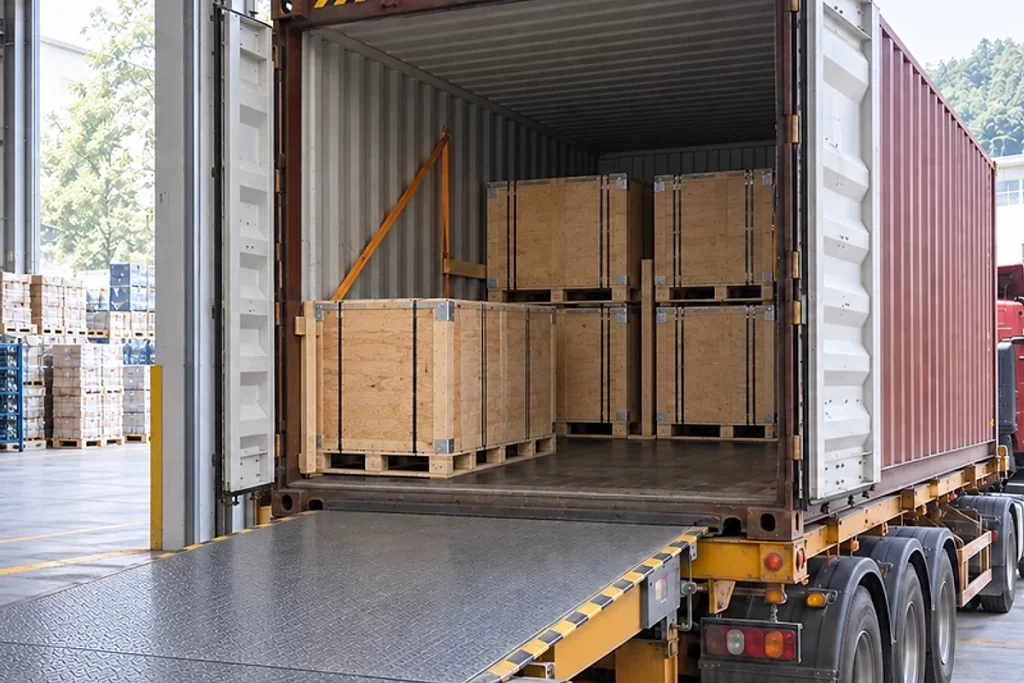
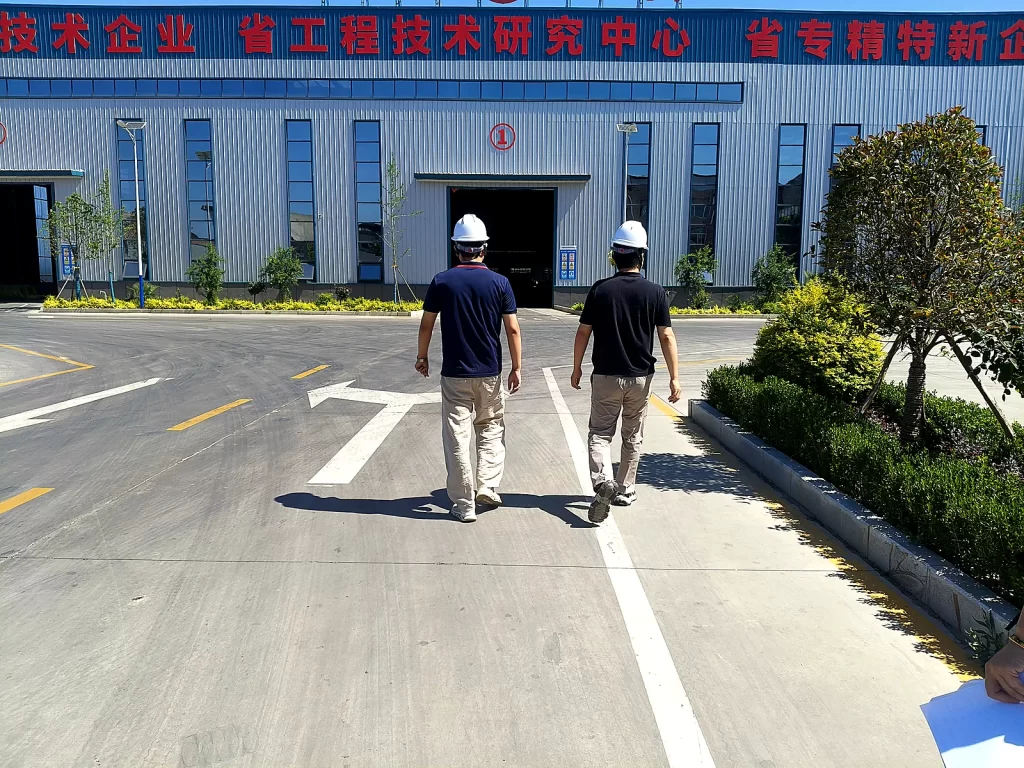
From Production to Delivery
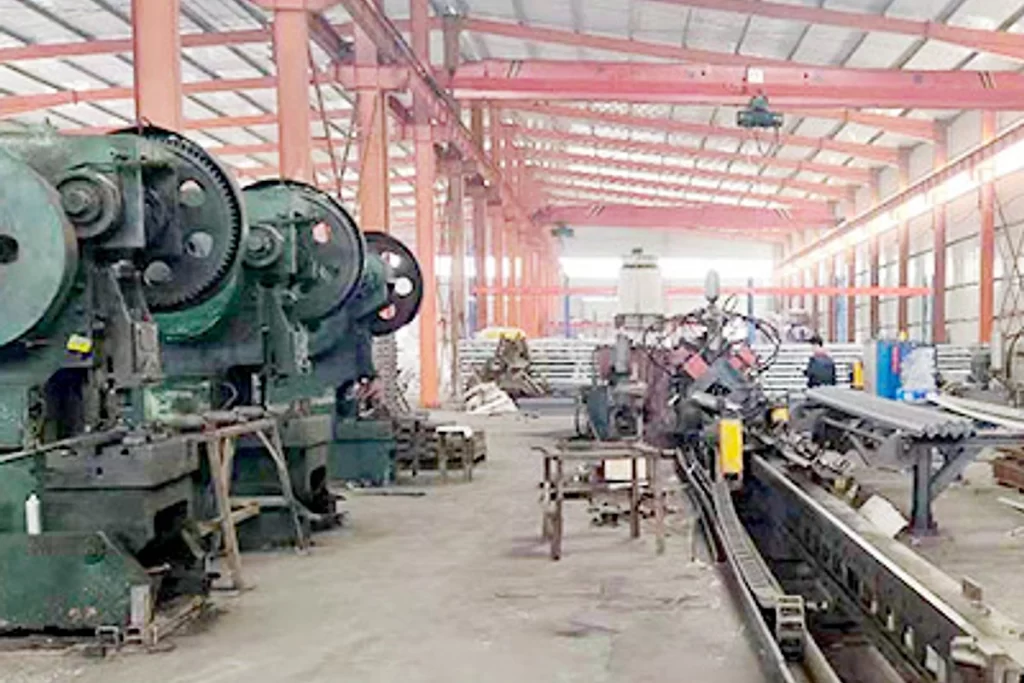
From raw material preparation to final shipmen, every stage is caretuly controled to ensure consistent conductor quality, reliable pertormance,and sae delivery. Our roduction,
inspection, packaging, and logistics processes are managed in accordance with applicable standards and project requirements.
Production
Body manufacture forms the socket and clevis, followed by finishing of the pin holes and preparation of the matching retaining components.
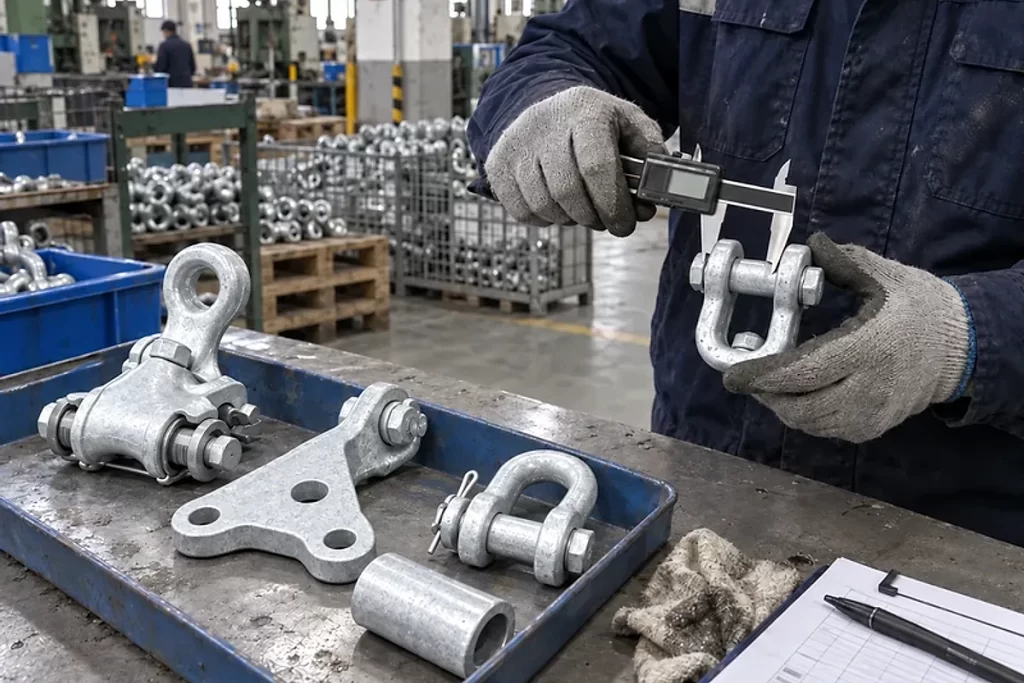
Inspection
Inspection examines socket fit, locking engagement, fork width and pin alignment, together with the specified coating and mechanical checks.
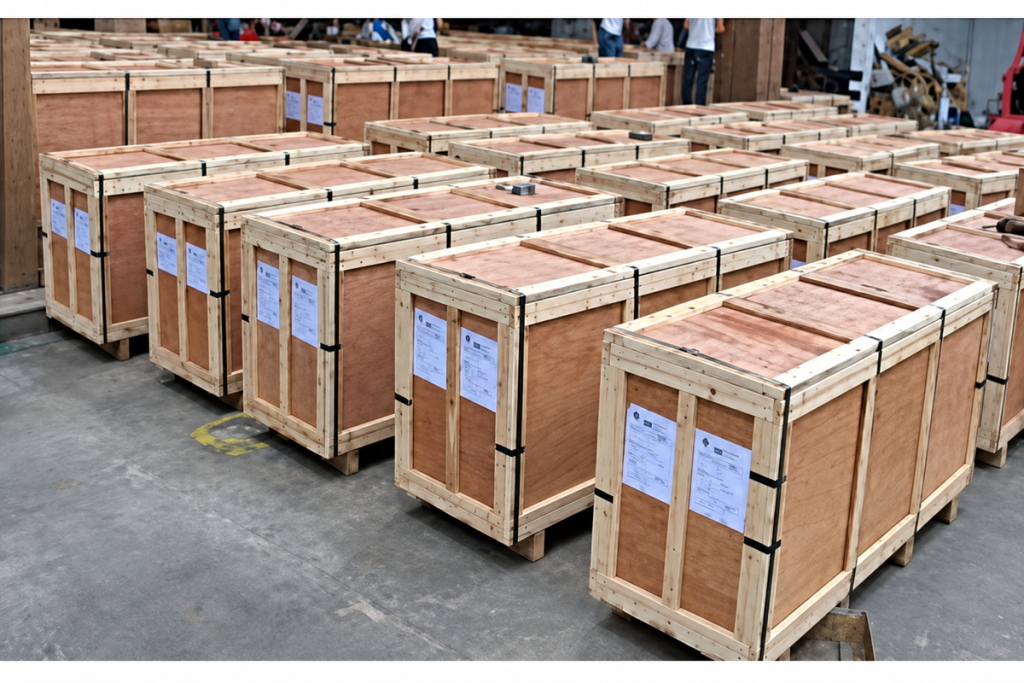
Packaging
Packing keeps each socket clevis together with the fastening components included in the order and protects its contact surfaces.
Shipping
Model and revision labels link packaged sets to the order, including any extended or accessory-equipped configurations.
Frequently Asked Questions
Should I choose a socket eye or a socket clevis?
They are separate entries in the source catalogue and have different clevis openings. Replacement enquiries should identify the existing part number and the adjoining plate and pin dimensions.
Are WS-7 and WS-0770 the same model?
No. Interface fit and mechanical capacity are separate checks. The complete assembly must satisfy the project load cases.
Does a matching coupling designation prove the assembly load rating?
No. Interface fit and mechanical capacity are separate checks. The complete assembly must satisfy the project load cases.
What information is needed to enquire about socket clevises?
Provide the insulator ball connection, required failure-load designation, clevis opening, mating plate thickness and pin details. Add the assembly drawing, retention requirements, order quantity and destination.
Request for Free Consultation
Contact Information
Send us your cable requirements and our team will respond quickly with product recommendations, technical support and quotation details.